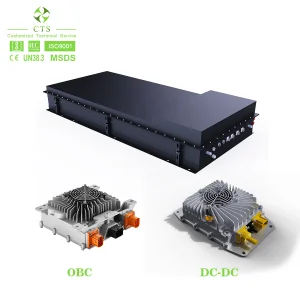
The modernization of global electrical infrastructure is driving rapid deployment of decentralized Battery Energy Storage Systems (BESS) and heavy-duty electric mobility solutions. Underpinning these high-capacity networks is the Battery Management System (BMS), the critical intelligence hub that determines safety margins, thermal efficiency, operational lifespan, and capital return. Modern industrial enterprises are moving beyond rudimentary safety cutoffs toward predictive edge intelligence. Advanced active cell balancing algorithms, cloud-connected diagnostics, and real-time State-of-Health (SoH) projections are now standard in commercial projects.
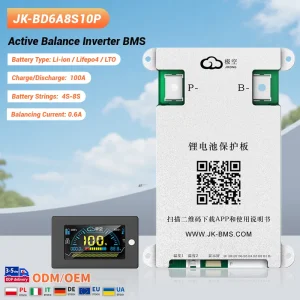
In small consumer electronics, passive balancing (dissipating excess energy from high cells as heat through resistors) is sufficient. However, for utility-scale solar integration, industrial forklifts, or large telecom base stations, passive balancing degrades operational efficiency and presents severe thermal management challenges. Modern commercial plants rely on active balancing topologies. These dynamic architectures transfer charge between cells using capacitive or inductive shuttle circuits, achieving rapid cell equalization. This mitigates capacity degradation, lowers cell-to-cell temperature variations, and extends overall pack lifecycle by up to 30%.
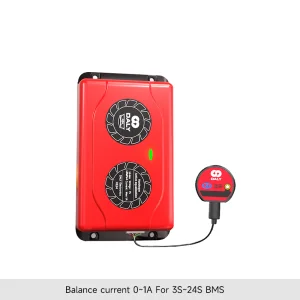
Selecting active balancing BMS units (such as systems operating at 0.6A to 1.0A active balancing current) reduces commissioning downtime and directly minimizes localized battery hot-spots during high-rate charging and discharging phases.
Engineering and procurement departments in North America, the European Union, and Australasia operate under strict safety guidelines. Choosing a manufacturing partner requires verifying comprehensive hardware certifications. A commercial-grade battery pack must feature multi-tiered protection mechanisms spanning hardware, firmware, and functional safety systems.
Verification of IEC 61508 / ISO 26262 ASIL-D development pipelines ensures hardware design reliability and limits random hardware failures.
Ensuring compliance at the cell and pack levels prevents thermal runaway propagation, satisfying municipal fire prevention codes and underwriting requirements.
Integration with native Modbus TCP/RTU, CAN Bus 2.0B, and Profinet facilitates data exchange with industrial PLCs, microgrids, and PCS inverters.
To manage high-current operational profiles, system architectures must also monitor cell performance dynamically. Advanced BMS systems deploy high-resolution internal analog-to-digital converters (ADCs) to trace voltage variances down to ±2mV. Additionally, integrated temperature sensors monitor individual cell clusters, initiating dynamic fan cooling or liquid heating loops to maintain an optimal operational window (15°C to 35°C).
The core advantage of partnering with China-based battery management manufacturers lies in their highly optimized supply chain ecosystems and automated production lines. China's Industry 4.0 factories integrate SMT (Surface Mount Technology) assembly with automatic visual inspection (AOI), automated optical profiling, and high-frequency hardware-in-the-loop (HIL) testing.
These rigorous validation pathways subject 100% of manufactured BMS assemblies to simulated operating environments. This allows systems to experience peak short-circuit events, communication loss, and thermal stress before leaving the assembly plant. Vertical integration with local semiconductor suppliers and direct access to high-grade lithium cells (LFP, Li-ion, LTO) reduce development lead times, enabling customized pack configurations.
In terms of logistics and supply chain stability, Chinese manufacturers maintain long-term partnerships with raw material providers and component developers. This buffer shields international buyers from market price volatility and ensures access to key components during global shortages.

Nanjing Autrionyx Power Co., Ltd. is a professional lithium battery manufacturer dedicated to delivering high-performance energy solutions for material handling, energy storage, and electric mobility applications. Based in Nanjing, China, the company specializes in the development and production of lithium battery systems for forklifts, energy storage systems, and golf carts, serving global industrial and commercial markets.
Autrionyx also provides customized battery system solutions tailored to specific voltage, capacity, and application needs, ensuring seamless mechanical and electrical integration with your legacy equipment.
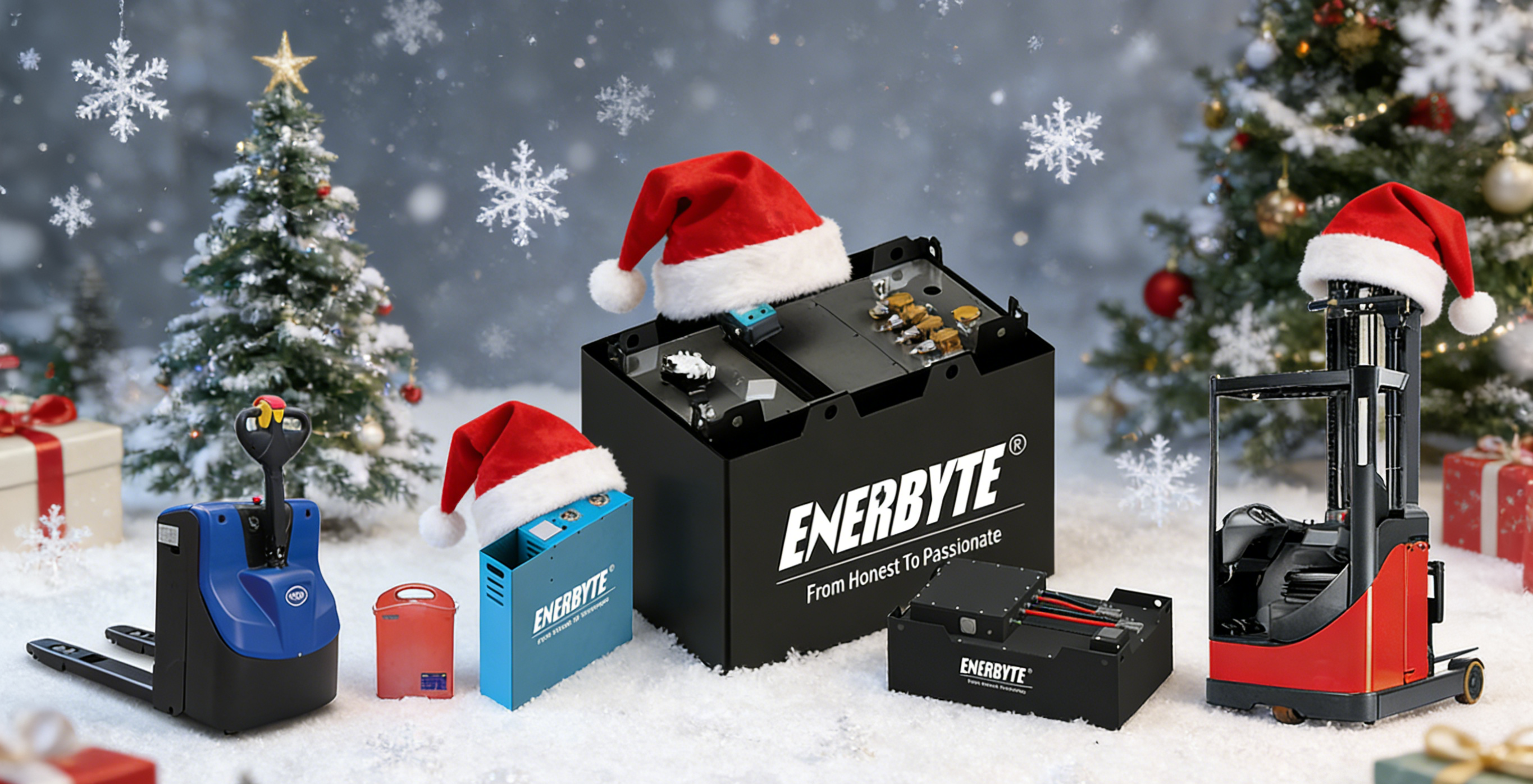
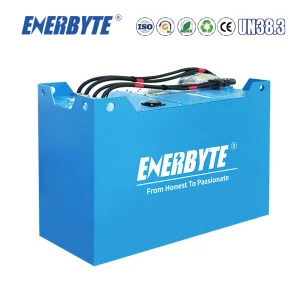
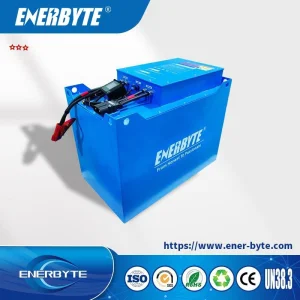
Autrionyx Power offers a comprehensive product portfolio, including advanced lithium forklift batteries designed for high efficiency and fast charging, scalable energy storage battery systems for residential and industrial use, and lightweight, long-lasting battery solutions for electric golf carts. All products are engineered with intelligent battery management systems (BMS) to ensure safety, stability, and extended service life.
With a strong focus on innovation and quality, the company integrates cutting-edge technology with strict manufacturing standards to meet diverse customer requirements. Committed to sustainability and energy efficiency, Nanjing Autrionyx Power Co., Ltd. continues to support the global transition toward cleaner energy by delivering reliable, cost-effective, and environmentally friendly lithium battery solutions.
Industrial energy demands differ depending on operational settings. A robust, smart BMS configuration provides the required flexibility for varied commercial deployments.
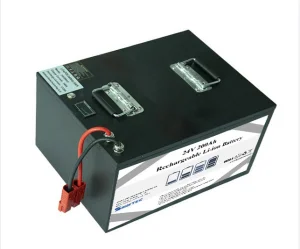
Standard lithium chemistries suffer from rapid capacity drop in sub-zero environments. Autrionyx Forklift Lithium Battery packs integrate internal heating mats managed by a smart BMS to enable fast charging and continuous uptime in cold storage facilities.
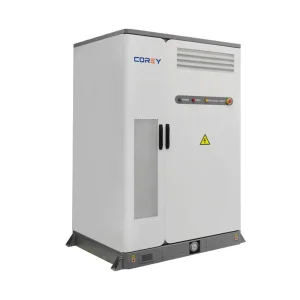
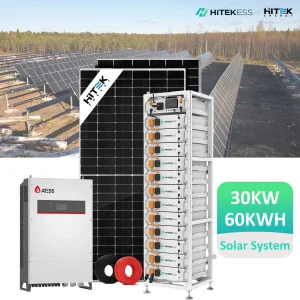
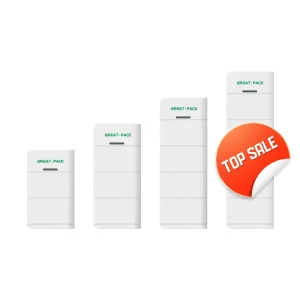
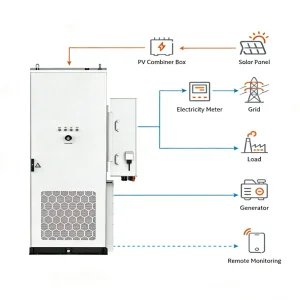
High-voltage battery storage cabinets help commercial operations reduce utility demand charges. Autrionyx BMS manages dynamic SOC adjustments to capture solar power during low-demand periods and discharge during peak tariff hours.
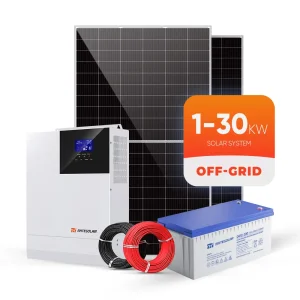
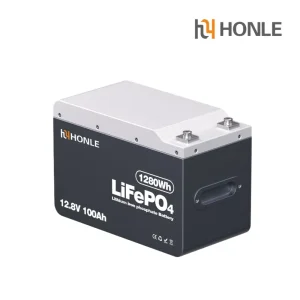
Remote telecom base stations, agricultural water pumps, and off-grid microgrids need highly reliable power systems. Integrating high-performance LiFePO4 packs with active-balance BMS ensures reliable performance without regular on-site maintenance.
These detailed, technical answers address the core questions encountered by engineering directors and utility procurement teams when specifying commercial lithium batteries.
 Autrionyx Power