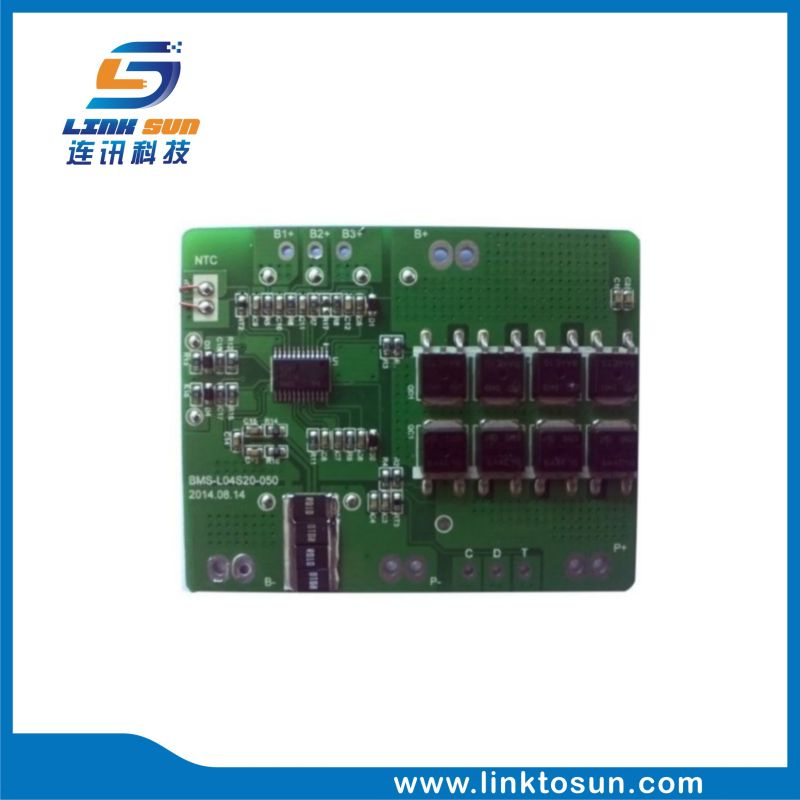
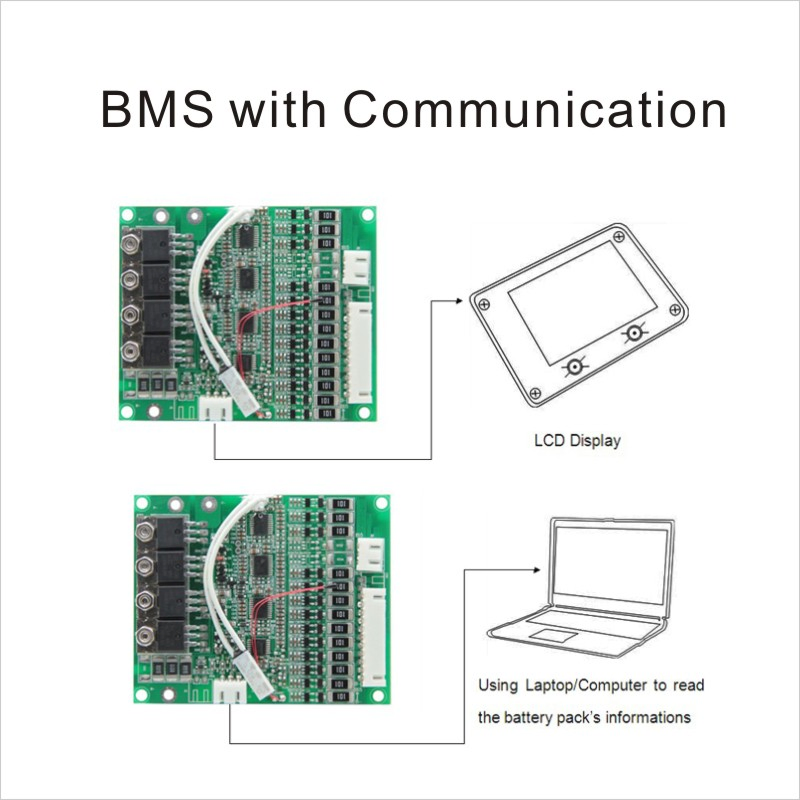
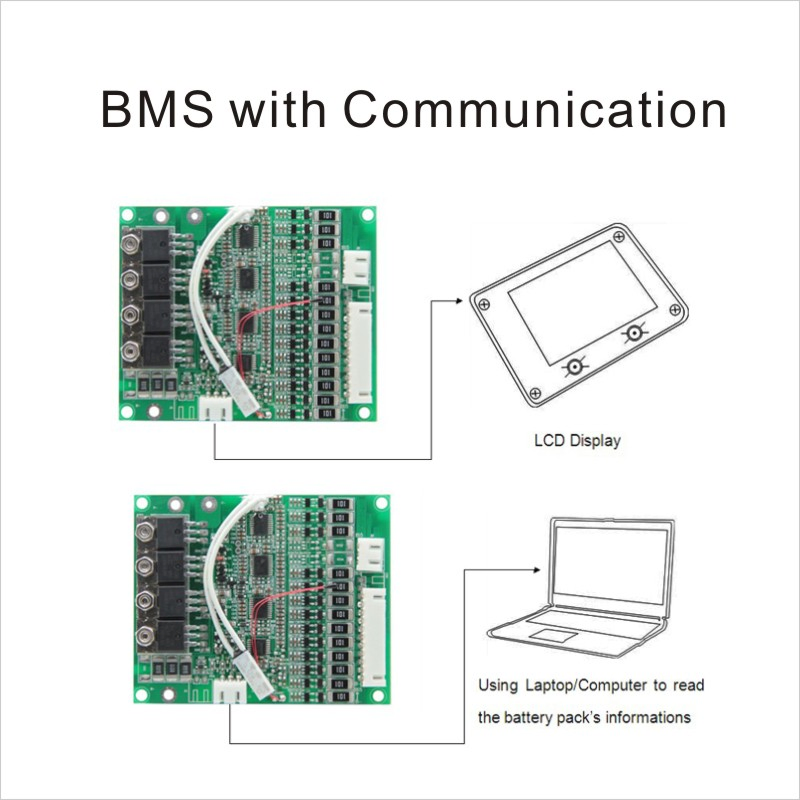
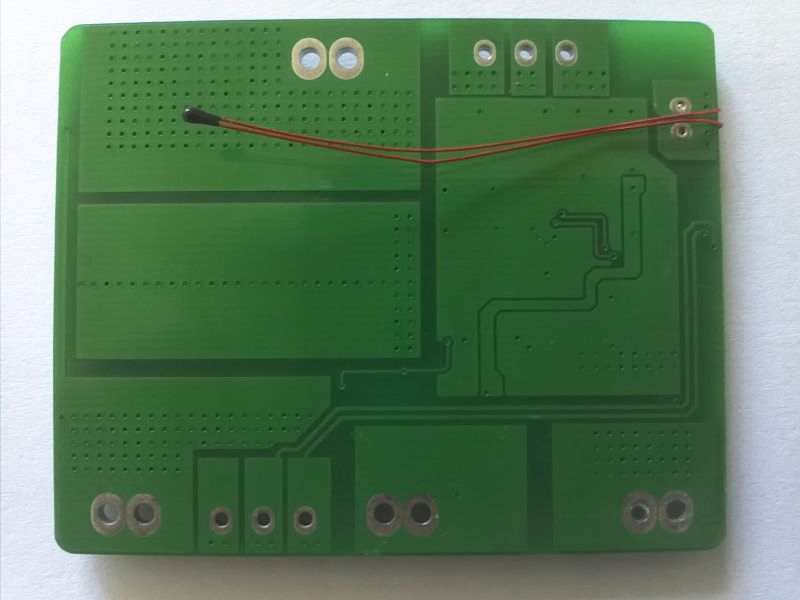
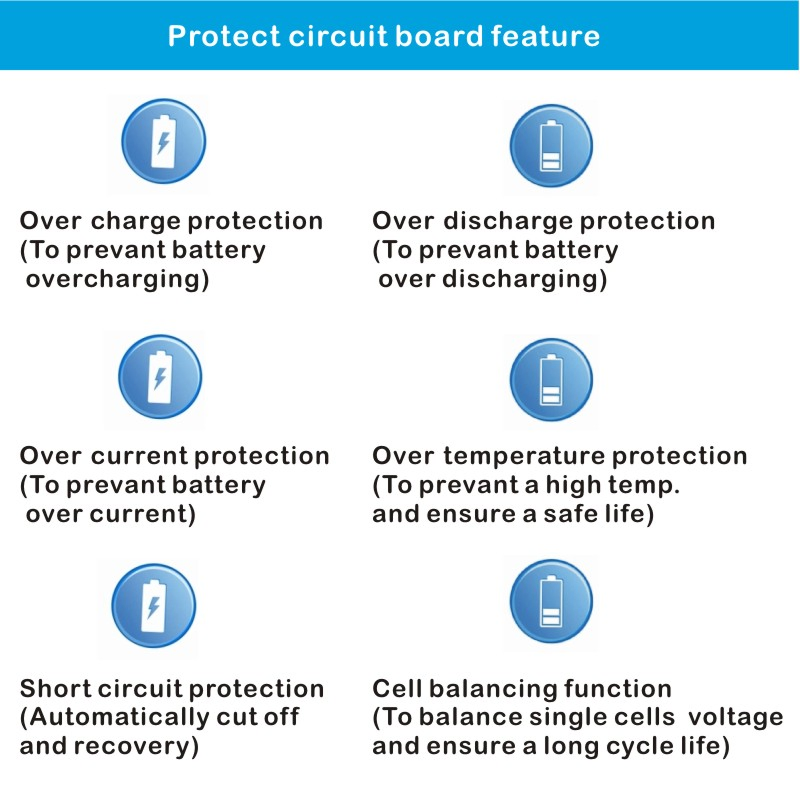
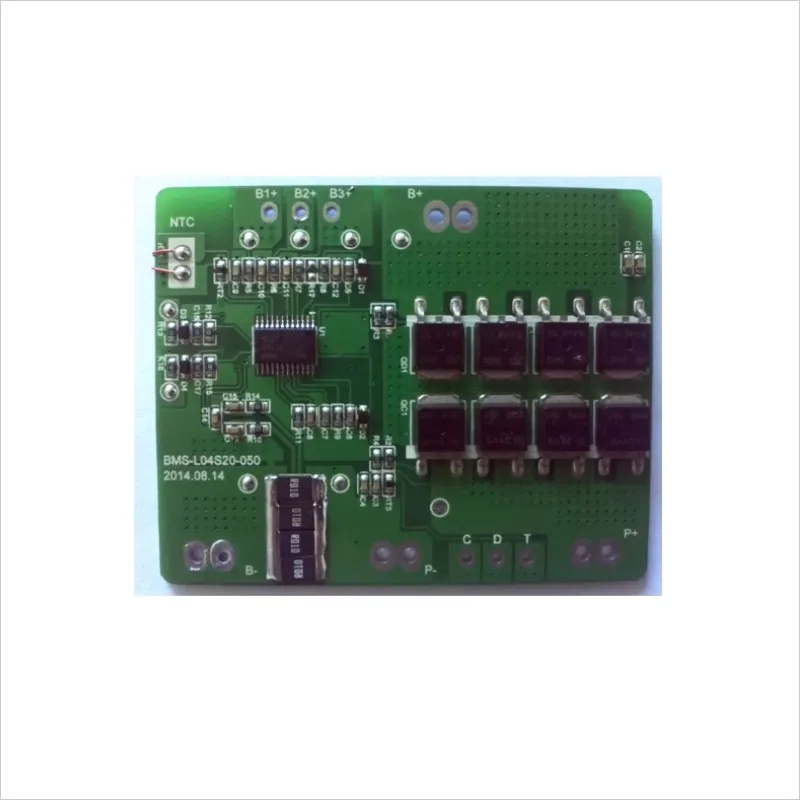
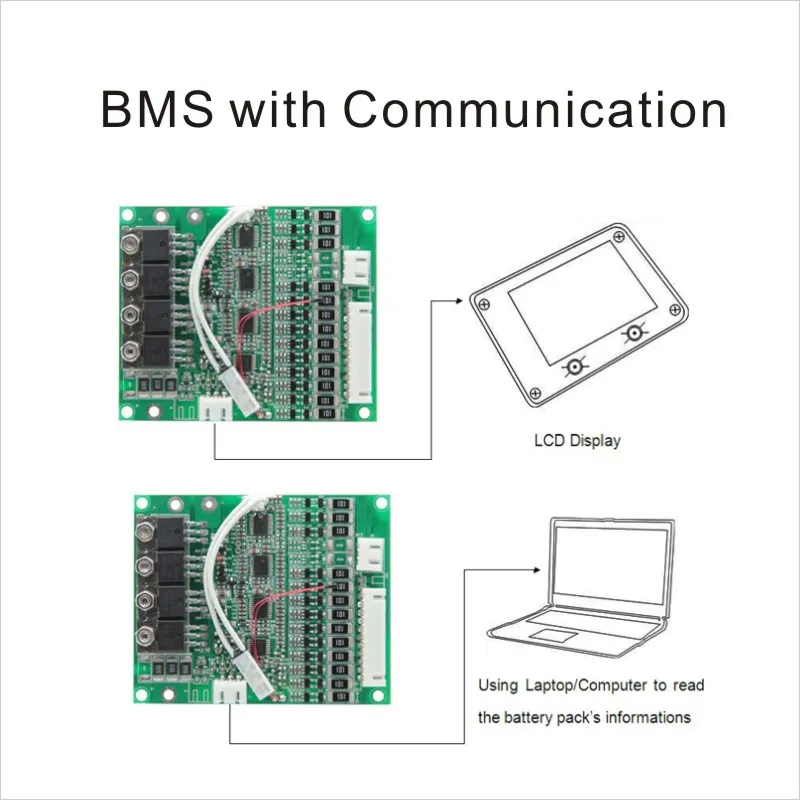
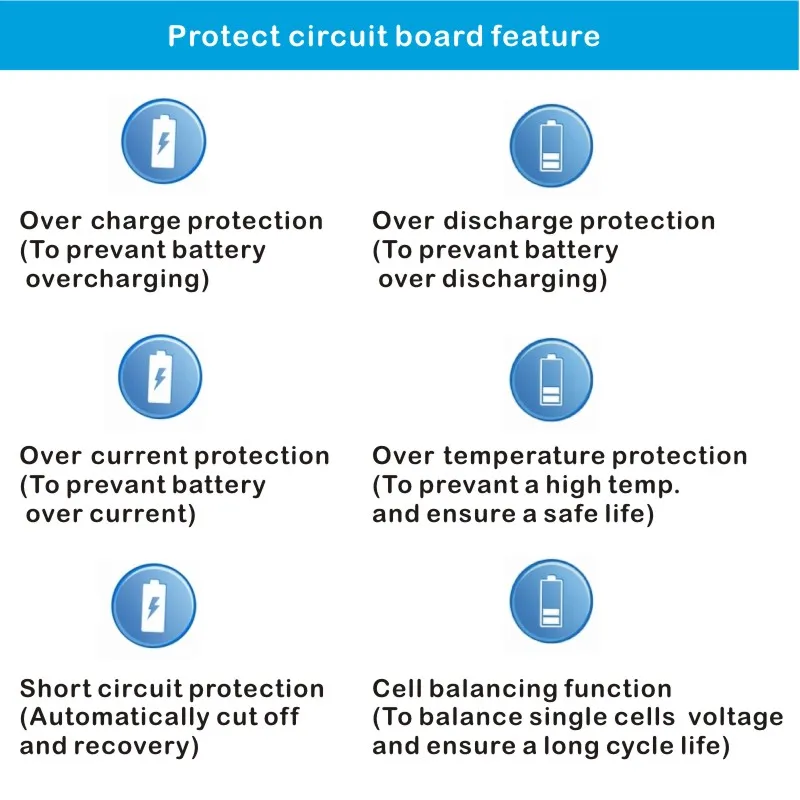
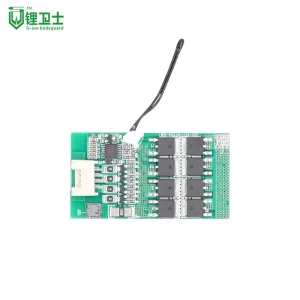
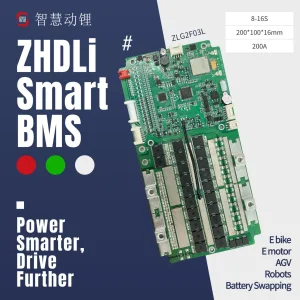
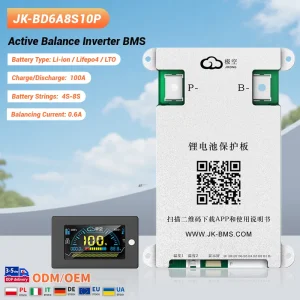
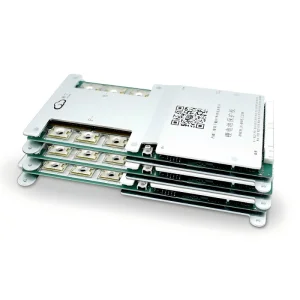
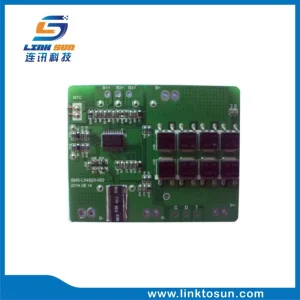
A battery management system (BMS) is any electronic system that manages a rechargeable battery (cell or battery pack), such as by monitoring its state, calculating secondary data, reporting that data, protecting the battery, controlling its environment, and / or balancing it.
A BMS monitors the state of the battery as represented by various items:
- Voltage: total voltage, or voltages of individual cells
- Temperature: average temperature, or temperatures of individual cells
- State of charge (SOC) or depth of discharge (DOD): to indicate the charge level of the battery
- State of health (SOH): a measurement of the overall condition of the battery
- Current: current in or out of the battery space
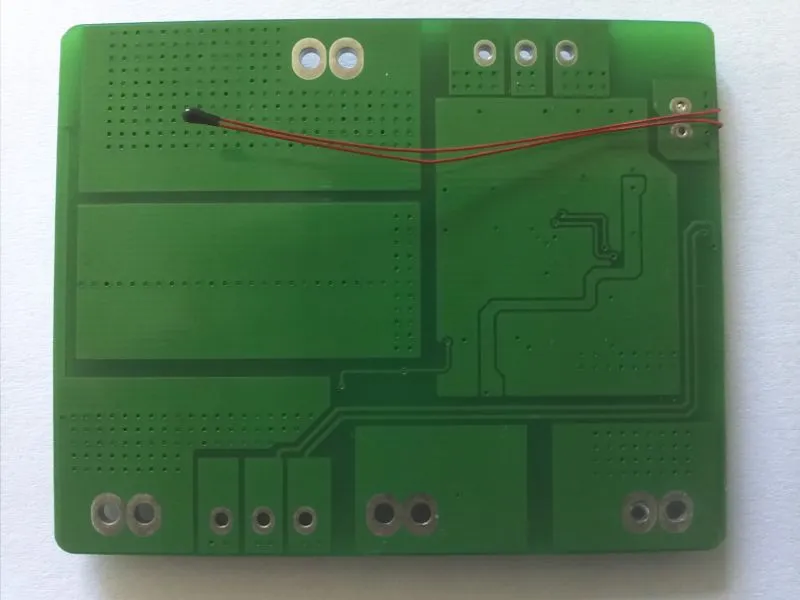
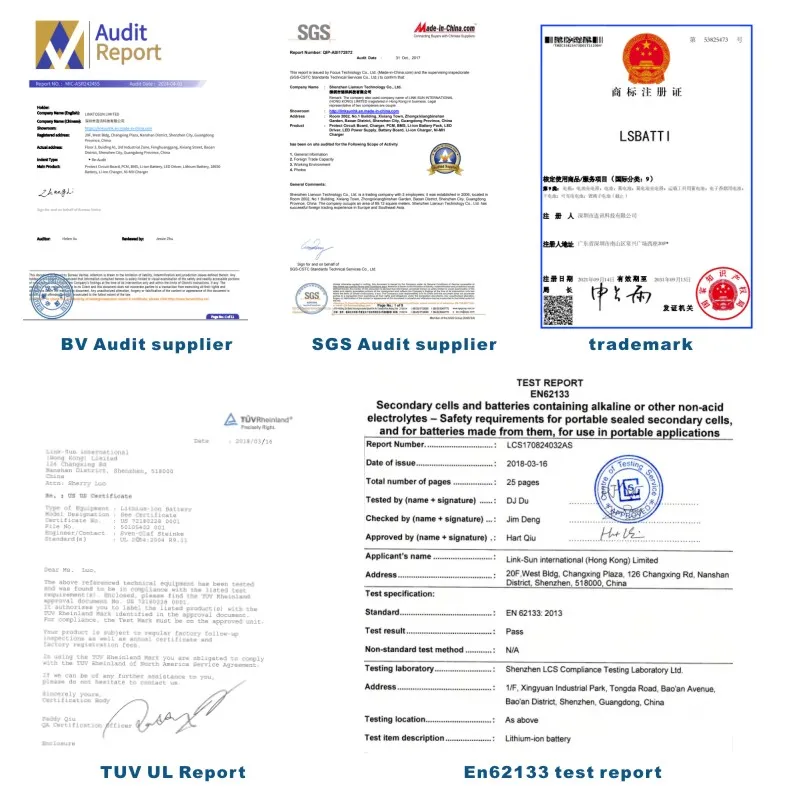
We have the ability to design and manufacture high quality PCM and BMS for all types Li-Ion battery packs. Each unit is tested to ensure functional safety and performance.
Frequently Asked Questions
1. What are the primary functions of this BMS?
It monitors battery state, calculates data, protects the cell/pack from damage, and balances the battery cells.
2. Does this system support SMBUS communication?
Yes, it features a standard SMBUS port utilizing the BQ2060 protocol for data reporting.
3. What is the maximum continuous discharge current supported?
The system supports a maximum continuous discharge current of 20A.
4. Can I monitor the temperature of individual cells?
Yes, the BMS is designed to monitor both average temperature and the temperatures of individual cells.
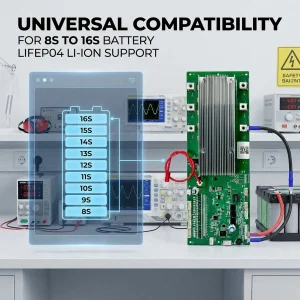
5. What battery configurations are compatible with this PCM?
This specific module is designed for 2S to 4S (2-4 series) Li-Ion battery configurations.
6. What safety protections are built into the hardware?
It includes integrated protection against over-current and short-circuit conditions to ensure safe operation.
 Autrionyx Power