Why does one battery last all day while another loses power before lunch? The difference is real. Battery performance depends on chemistry, temperature, age, charging habits, and the device’s power demand. A phone used outdoors at 0°C may shut down sooner than the same phone used indoors. Cold temperatures slow chemical reactions inside the cells, reducing available capacity temporarily.
When asking “what factors affect battery performance,” we should examine both laboratory data and everyday use. Engineers measure capacity, voltage stability, internal resistance, cycle life, and charging efficiency under controlled conditions. However, real users create less predictable conditions. Bright screens, weak network signals, gaming, and fast charging can increase heat and energy consumption within minutes. Small changes matter. A battery stored at full charge in a hot car may age faster than one kept near room temperature. Manufacturing differences also matter, even among cells from the same production batch.
Battery management systems offer protection, but they cannot remove every limitation. Software estimates can be imperfect, and advertised capacity may not match usable capacity after years of cycling. I once assumed that a larger capacity rating guaranteed longer service. That assumption was incomplete. Power efficiency, temperature control, and battery condition can matter just as much. Understanding these variables helps readers interpret performance claims carefully, compare products fairly, and diagnose unexpected drain without relying on guesswork. Reliable conclusions require repeated measurements, clear testing conditions, and attention to how the battery is actually used.
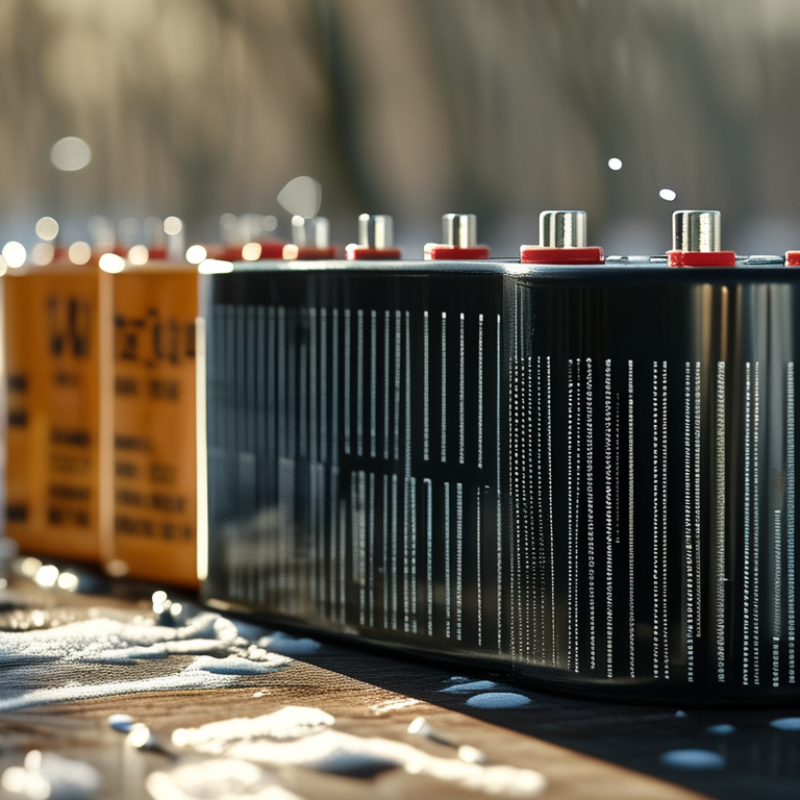
Battery Chemistry and Its Role in Performance
Why Does Battery Performance Vary?
Battery chemistry strongly shapes how a cell stores and releases energy. Lithium iron phosphate, or LFP, offers strong thermal stability and long cycle life. Nickel-manganese-cobalt, known as NMC, usually provides higher energy density. The International Energy Agency reported that LFP represented about 40% of global electric vehicle battery demand in 2023. It also noted that LFP packs cost nearly 30% less per kilowatt-hour than NMC packs. Lower cost can mean greater weight or volume.
Energy density is only one measure. A battery’s internal resistance affects acceleration, charging speed, and heat generation. Temperature matters sharply. At 0°C, chemical reactions slow, so a battery may deliver less power. At high temperatures, aging accelerates. The U.S. Department of Energy’s Battery500 research highlights the difficult balance between energy density, safety, durability, and cost. Improving one target can weaken another.
Small details matter. A battery may show 100% charge, yet its usable capacity depends on software limits, temperature, and cell balance. Charging habits also leave fingerprints over time. Frequent high-power charging can increase stress, especially when the pack is hot. Still, chemistry alone cannot explain every result. Cell design, cooling, electrode materials, and manufacturing consistency matter too. This is where simplified comparisons become unreliable. Performance figures need testing conditions beside them, not just attractive numbers.
Sources: International Energy Agency, Global EV Outlook 2024; U.S. Department of Energy, Battery500 Consortium research.
How Temperature Changes Battery Behavior
Why Does Battery Performance Vary?
How Temperature Changes Battery Behavior
Temperature changes battery behavior because chemical reactions slow in the cold. Internal resistance rises, and voltage drops during acceleration. Some results are messy.
The International Energy Agency reported in Global EV Outlook 2024 that severe cold can increase electric-vehicle energy use by up to 40%. The actual effect depends on speed, heating, battery age, and road conditions. At around 0°C, a lithium-ion battery may deliver less power, even when the display shows a high charge level.
Charging is more sensitive. U.S. Department of Energy guidance warns against charging very cold cells without proper warming. Lithium plating can occur and may reduce long-term capacity. A parked vehicle might consume energy heating its cells before fast charging begins. That hidden cost is easy to miss.
Heat creates a different problem. Higher temperatures can improve short-term conductivity but accelerate chemical side reactions. National Renewable Energy Laboratory research connects elevated temperature exposure with faster capacity loss, especially at high charge levels. Outside air temperature is not enough. Cell temperatures can vary across one battery pack. Simple charts help, but they can also mislead.
The Effects of Charge, Discharge, and Usage Patterns
Why Does Battery Performance Vary?
The Effects of Charge, Discharge, and Usage Patterns
Battery performance changes with more than its rated capacity. Charge level, temperature, current, and daily habits all influence usable energy. A battery charged repeatedly to 100% may age faster than one kept near a moderate range. High charging currents also create heat and chemical stress, especially when the cells are already warm. Heat matters most.
A 2019 fleet study covering about 6,300 electric vehicles reported average battery capacity loss of 2.3% per year. The same data showed faster degradation under frequent high-power charging and hot conditions. This does not mean rapid charging is always harmful. Cooling systems, cell chemistry, and charging limits can change the result. Real use is rarely perfect.
Discharge patterns matter equally. Deep discharges increase stress, while repeated short cycles usually reduce it. Sudden acceleration demands high current and can create temporary voltage drops. Cold weather adds another penalty. U.S. Department of Energy guidance indicates that freezing conditions can reduce electric-vehicle range by roughly 20% to 40%, largely because heating consumes energy and batteries deliver power less efficiently. Leaving a vehicle unused for weeks also matters. A small standby drain continues, even when the display shows little activity. These details are easy to overlook.
Why Battery Age and Wear Reduce Capacity
Why Does Battery Performance Vary?
Why Battery Age and Wear Reduce Capacity
A battery rarely loses capacity overnight. Its decline usually develops through repeated chemical and physical changes. In lithium-ion cells, charging and discharging gradually consume active lithium. The internal protective layer also thickens over time. This leaves less energy available for each full charge. Increased resistance can make the battery feel weak, even when the display shows a high percentage.
In practical testing, heat often reveals the problem first. A warm battery may charge more slowly and deliver less power. Frequent full discharges can add stress, although occasional deep use is not automatically harmful. Age matters too. A battery can wear while sitting unused because chemical reactions continue inside it. I once assumed low cycle counts meant excellent condition. That was too simple. Storage temperature and charging habits also shaped the results.
Tips: Keep the battery cool and avoid long periods at full charge. Use moderate charging when possible. Do not leave a device in a hot car. Check battery health with several readings, not one estimate. Software percentages can drift, so real performance matters more. If runtime suddenly drops, inspect heat, charging speed, and unexpected background activity before blaming age alone.
Why Does Battery Performance Vary?
How Battery Age and Wear Reduce Capacity
Rechargeable lithium-ion batteries gradually lose capacity as charge cycles and calendar aging cause chemical and structural changes inside the cells. This representative capacity-retention profile shows a decline from 100% when new to about 80% after 1,000 equivalent full cycles. High temperatures, prolonged storage at full charge, deep discharges, and high charging or discharging currents can accelerate this wear. Actual results vary with battery chemistry, design, operating conditions, and usage patterns.
Conclusion
Battery performance varies because several interacting factors determine how efficiently a battery stores and delivers energy. Battery chemistry affects voltage, energy density, charging speed, lifespan, and safety characteristics. Temperature also plays an important role: cold conditions can slow chemical reactions and reduce available power, while excessive heat may accelerate wear and permanently damage capacity. These effects explain why the same battery can behave differently in different environments.
Other key influences include charging and discharging habits, usage intensity, and the length of time a battery has been in service. Frequent deep discharges, high power demands, and unsuitable charging patterns can increase stress and reduce efficiency. As batteries age, internal chemical changes and repeated cycling gradually limit their ability to hold and release energy. In addition, cell design, manufacturing variation, storage conditions, ventilation, and the device’s power management system all contribute to differences. Understanding what factors affect battery performance helps users choose suitable operating conditions and maintain more consistent, reliable battery life.
 Autrionyx Power
