Choosing among China’s top 10 lithium battery suppliers requires more than comparing prices, capacity, or delivery promises. Safety begins with engineering evidence, documented testing, and clear charging guidance. Reliable suppliers should explain cell chemistry, battery management systems, charger compatibility, protection limits, and quality-control procedures. Their answers matter more than polished brochures.
This guide examines how to charge lithium batteries safely while evaluating supplier credibility. A suitable charger must match the battery’s voltage, chemistry, and charging protocol. Never use a damaged cable or an unapproved power adapter. Before charging, inspect the pack for swelling, cracks, unusual heat, leakage, or a burnt smell. Stop immediately if any warning appears.
Place the battery on a dry, nonflammable surface with open space around it. Keep paper, fabrics, and direct sunlight away. Do not charge near sleeping areas. Avoid charging unattended, especially overnight. A battery management system can reduce common risks, but it cannot correct every manufacturing defect or misuse. That point is easy to overlook.
Experienced buyers should request test reports, warranty terms, traceability records, and instructions written for the exact model. Supplier rankings can change, and public information may be incomplete. Therefore, this article does not treat a “top 10” list as a permanent guarantee. Actual performance depends on design, storage, temperature, and user habits. Careful verification remains necessary. Safety is not a marketing feature. It is a daily process involving the supplier, installer, and end user.
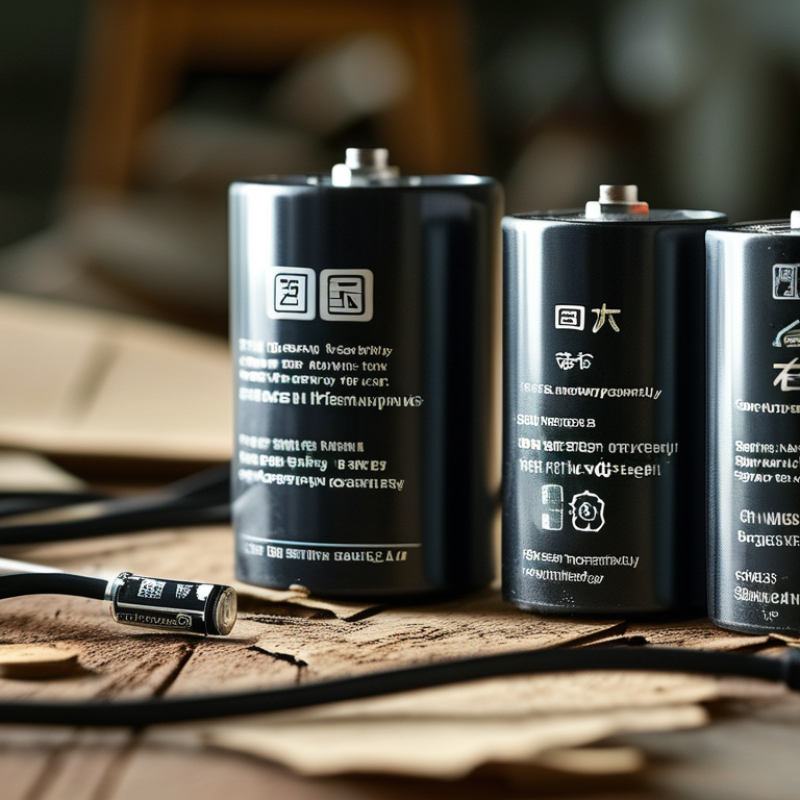
China’s top ten lithium battery suppliers serve distinct product categories rather than one single market. Their portfolios commonly include cylindrical cells for tools, pouch cells for electronics, and prismatic cells for electric vehicles. Several suppliers focus on residential energy storage systems, while others produce battery packs for electric bicycles, medical devices, telecom backup, and industrial equipment. Custom battery designers also support unusual sizes, low-temperature operation, or compact consumer products.
A reliable buyer should compare cell chemistry, rated capacity, cycle life, and protection features. Ask for current datasheets, production traceability, and independent test reports.
For charging, use a charger matched to the battery’s chemistry and voltage. A battery management system should control overcharge, over-discharge, temperature, and short-circuit risks. Keep charging surfaces dry and ventilated. Do not charge swollen, cracked, or unusually hot packs.
Small details matter. Check the connector twice. Never cover a charging pack with clothing or paper. Supplier certificates can look convincing, but documents alone cannot prove consistent production quality. I would inspect samples, review factory quality records, and test charging behavior under normal and low-temperature conditions. My own comparison would remain cautious, because a strong catalog does not guarantee every custom batch performs equally well.
Lithium battery chemistry strongly influences charging behavior, heat production, and failure risk. Lithium iron phosphate cells usually tolerate heat better than nickel-rich cells. However, they are not risk-free. Nickel-rich batteries store more energy in a smaller space. They therefore need tighter voltage and temperature control during charging.
Charging below freezing can cause lithium plating inside the cell. This damage may remain invisible at first. Charging above the approved temperature range can accelerate aging and increase internal pressure. A compatible charger must match the battery’s chemistry, voltage, and current limits. The battery management system should also monitor cell balance, temperature, and overvoltage. Small errors matter.
Tips: Check the battery label before charging. Use the specified charger. Keep the pack on a dry, non-flammable surface. Stop charging if it becomes unusually hot, swollen, cracked, or smells strange. Never force a damaged battery back into service. A useful habit is checking the battery after ten minutes. Still, this habit is not perfect. Sensors can fail, and users can miss early warning signs. Professional inspection remains necessary when performance changes suddenly or charging becomes irregular.
China Top 10 Lithium Battery Suppliers: How to Charge Safely?
How to Prepare a Lithium Battery for Safe Charging
Preparation begins before the charger is connected. Inspect the battery case, terminals, cable, and charging port under good lighting. Look for swelling, cracks, corrosion, loose parts, or unusual smells. Do not charge a damaged battery. Isolate it and seek qualified service advice.
Use only a charger with the correct voltage, current, connector, and charging profile. The battery manual is the best reference. Place the battery on a stable, nonflammable surface in a dry, ventilated area. Keep paper, fabric, heat sources, and children away. Allow a recently used battery to cool naturally before charging.
Stay nearby.
A practical habit is checking the temperature during charging. Mild warmth may be normal, but rapid heating, smoke, hissing, leakage, or a strong odor requires immediate attention. Stop charging if anything seems unusual, and disconnect power only when it is safe to do so. Never cover the battery or charger while operating.
I once treated a clean-looking battery as automatically safe. That was a poor assumption. Internal damage may not be visible after a drop or water exposure. Avoid charging overnight or while away, even when the battery has worked reliably before. Follow the manufacturer’s instructions, record recurring problems, and ask a trained technician when the battery’s history is uncertain.
Safe charging begins with the correct equipment. Check the battery’s voltage, chemistry, and charging current before connecting it. Use the charger specified by the battery maker, not a similar-looking replacement. The International Energy Agency reported nearly 14 million electric car sales worldwide in 2023. More batteries require better charging habits. Place the battery on a firm, non-flammable surface with clear space around it. Keep it dry and ventilated. Do not charge it under bedding, inside a sealed box, or beside heat sources.
Watch the battery during charging. It may feel slightly warm, but unusual heat, swelling, hissing, smoke, or a chemical smell means stop immediately. Disconnect power only if it is safe. Move away and contact qualified service personnel. Never charge a battery that has been crushed, punctured, soaked, or dropped heavily. Safety guidance from UL Research Institutes identifies overcharging, overheating, and physical damage as major lithium-ion battery hazards. I still recheck cable connections, because small mistakes are easy to miss.
Tips: Let a warm battery cool before charging. Remove loose metal objects nearby. Avoid charging while sleeping. Follow the battery management system’s warnings. Do not modify cells or bypass protection circuits. Charging to 100% is not always necessary; the product manual should guide daily settings. The U.S. Fire Administration also advises using approved chargers and replacing damaged batteries. The simple routine feels slow. It is safer than guessing.
China Top 10 Lithium Battery Suppliers: How to Charge Safely?
Common Lithium Battery Charging Risks and Prevention Methods
Lithium batteries need the correct charger, voltage, and charging profile. A mismatched charger can create excessive heat, unstable charging, or permanent cell damage. Battery technicians often inspect the pack, cable, connector, and charger before every use. Look for cuts, loose pins, corrosion, swelling, or unusual smells. Small faults matter.
Keep charging on a dry, hard, nonflammable surface with clear airflow. Do not cover the battery with clothing or place it beside paper. Avoid charging in direct sunlight, inside a hot vehicle, or below the temperature range stated in the technical instructions. Stop immediately if the pack becomes unusually hot, hisses, leaks, or changes shape. Never press a swollen battery back into service.
Use a charger designed for that battery’s exact chemistry and rated voltage. Follow the battery management system’s instructions, rather than guessing from connector size. Do not charge damaged packs, combine unmatched cells, or leave charging unattended for long periods. Overnight charging may seem convenient, but it removes an important safety check. Even careful users miss warning signs. I would not treat a familiar charger as automatically safe; specifications deserve a second look. Keep terminals protected from metal objects, and have suspicious batteries assessed by qualified service personnel.
| No. | Charging Risk | Typical Cause | Warning Signs | Risk Level | Prevention Method | Recommended Control or Standard Practice |
|---|---|---|---|---|---|---|
| 1 | Using an incompatible charger | The charger output voltage, current, connector, polarity, or charging profile does not match the battery chemistry and pack design. | Abnormal heat, charging failure, error messages, rapid voltage rise, or battery swelling. | High | Use only the charger specified for the battery pack. Confirm the nominal voltage, maximum charging voltage, current limit, connector, and polarity before charging. | The charger and battery management system (BMS) should be designed to work together. Do not substitute a charger solely because the plug fits. |
| 2 | Overcharging | Faulty charger regulation, damaged BMS, incorrect settings, or continued charging after the battery reaches its permitted voltage. | Battery temperature rises, unusual odor, swelling, leakage, or a charger that does not terminate normally. | High | Use a charger with automatic charge termination and protection against overvoltage and overcurrent. Do not bypass the BMS or charge-control circuit. | Charging voltage must remain within the battery manufacturer's specified limit. Common lithium-ion cells are often charged to 4.20 V per cell, while other chemistries require different limits. |
| 3 | Charging at excessive temperature | Charging in direct sunlight, near heaters, inside a hot vehicle, or during a high-temperature operating condition. | Rapid temperature increase, charging slowdown, thermal warnings, or a hot enclosure. | High | Charge in a cool, dry, and well-ventilated location away from combustible materials. Stop charging if the pack becomes unusually hot. | Follow the pack specification. Many lithium-ion batteries permit charging only within approximately 0°C to 45°C, but the exact range depends on the chemistry and design. |
| 4 | Charging below the permitted temperature | Charging a cold battery after outdoor use, storage in freezing conditions, or transport in a cold environment. | Reduced charging acceptance, sudden voltage increase, poor capacity, or a battery-management warning. | High | Allow the battery to return to the manufacturer's permitted charging temperature before connecting the charger. Do not warm it with an open flame, hot air gun, or direct heater. | For many conventional lithium-ion cells, charging below 0°C can cause lithium plating. Low-temperature charging is acceptable only when specifically supported by the battery design and control system. |
| 5 | Charging a damaged or swollen battery | The pack has suffered impact, water exposure, crushing, overheating, internal short circuit, or physical aging. | Swelling, dents, cracks, hissing, leakage, smoke, chemical odor, or abnormal self-heating. | High | Stop using and do not recharge the battery. Isolate it from flammable materials and contact qualified service personnel or an approved battery-recycling facility. | Never puncture, compress, open, repair, or place a damaged lithium battery in regular household waste. |
| 6 | Charging near flammable materials | Charging on beds, sofas, paper, cardboard, carpets, or close to solvents and other combustible goods. | Heat buildup, blocked ventilation, discoloration, smoke, or a burning smell. | High | Place the charger and battery on a stable, non-combustible surface with clear airflow. Keep combustible materials away from the charging area. | Install smoke detection where appropriate, maintain clear access to the area, and follow local fire-safety requirements for battery storage and charging. |
| 7 | Using damaged cables, connectors, or power supplies | Frayed insulation, loose terminals, bent pins, corrosion, undersized wiring, or overloaded outlets. | Sparking, intermittent charging, hot connectors, melted plastic, or a burning odor. | Medium | Inspect cables and connectors before every use. Replace damaged components with correctly rated parts rather than using tape or improvised repairs. | Use connectors with suitable voltage and current ratings. Keep terminals clean and dry, and avoid extension cords that are not rated for the charging load. |
| 8 | Leaving the battery charging unattended | Charging continues for long periods without temperature, smoke, or equipment monitoring. | Unexpected heating, abnormal noise, odor, charger malfunction, or a household power interruption. | Medium | Charge when someone can monitor the process. Disconnect the charger after the normal charging cycle unless the manufacturer's instructions specifically allow continuous connection. | Use chargers with overvoltage, overcurrent, short-circuit, and over-temperature protection. Do not charge while sleeping or when leaving the premises. |
| 9 | Charging immediately after heavy use | The battery is still hot from high-current discharge, fast operation, or operation in a warm environment. | The pack remains hot, charging current is reduced, or the BMS reports a temperature fault. | Medium | Allow the battery to cool naturally to its permitted charging range before recharging. Do not force cooling with water or freezing equipment. | Use the battery's temperature sensors and BMS protections. High-power applications should include adequate thermal management and charge-current control. |
| 10 | Improper long-term storage and maintenance charging | Storing a battery fully charged, fully depleted, wet, hot, or unused for an extended period without inspection. | Large capacity loss, deep discharge, swelling, corrosion, or failure to accept a normal charge. | Low | Store the battery in a cool, dry location away from direct sunlight and flammable materials. For many lithium-ion packs, a partial charge of about 30%–50% is suitable for storage, unless the manufacturer specifies otherwise. | Check stored batteries periodically for damage or swelling. Do not attempt to recharge a pack that has been deeply discharged or stored outside its specified conditions without professional evaluation. |
They often supply cylindrical cells for tools, pouch cells for electronics, and prismatic cells for electric vehicles. Some provide storage systems. Others make packs for bicycles, medical devices, telecom backup, and industrial equipment.
Compare chemistry, rated capacity, cycle life, operating temperature, and protection features. Request current datasheets, traceability records, and independent test reports. A strong catalog alone is not enough.
Inspect samples before approving a production batch. Test charging at normal and low temperatures. Review factory quality records and connector details. Custom performance can vary more than expected.
Use a charger matched to the battery’s chemistry, voltage, and charging current. Do not rely on connector size or appearance. A similar-looking charger may still be unsafe.
Place it on a firm, dry, nonflammable surface with clear airflow. Keep clothing, paper, and loose metal objects away. Avoid sealed boxes, bedding, direct sunlight, and nearby heat sources.
Stop if the battery becomes unusually hot, swollen, cracked, hissing, smoky, or chemically scented. Disconnect power only when it is safe. Move away and contact qualified service personnel.
No. Do not charge a battery that was crushed, punctured, soaked, heavily dropped, or visibly damaged. Never press a swollen pack back into service. Have it assessed by qualified personnel.
No. Overnight charging removes useful opportunities to notice heat, swelling, or unusual sounds. Follow the product manual and battery management system warnings. Charging to 100% may not be necessary for daily use.
This guide presents an overview of China’s top 10 lithium battery suppliers by product category, including batteries for consumer electronics, energy storage, electric mobility, and industrial applications, without focusing on specific brand names. It also explains how battery chemistry, cell design, capacity, and built-in protection systems can influence charging performance and safety.
Readers will learn how to charge lithium batteries safely by checking the battery and charger for damage, confirming voltage and compatibility, placing the battery on a stable, ventilated surface, and monitoring the charging process. The guide provides clear step-by-step instructions, including avoiding extreme temperatures, moisture, covered charging areas, and unsuitable power sources. It also discusses common risks such as overheating, swelling, short circuits, overcharging, and physical damage, along with practical prevention methods. Following these precautions can help improve battery life, reduce hazards, and support safer everyday use.

Autrionyx Power