Charging lithium batteries safely is essential for both their longevity and user safety. Many people overlook the risks involved in improper charging practices. With the increasing prevalence of lithium batteries in everyday devices, knowing how to charge lithium batteries safely has become more important than ever.
When charging lithium batteries, it is crucial to follow specific guidelines to prevent overheating, swelling, or even fire hazards. Many users are unaware that using chargers not intended for their devices can lead to dangerous situations. Battery technology has advanced significantly, but this does not eliminate the need for safe practices.
Ensuring a stable power source can also affect charging safety. Fluctuations in power can lead to unexpected outcomes. Understanding how to charge lithium batteries safely includes paying attention to the environment where charging occurs. Avoid exposing batteries to extreme temperatures or humidity. Being mindful of these details can promote a safer charging experience. As we dive into the tips, remember that safety should always come first.
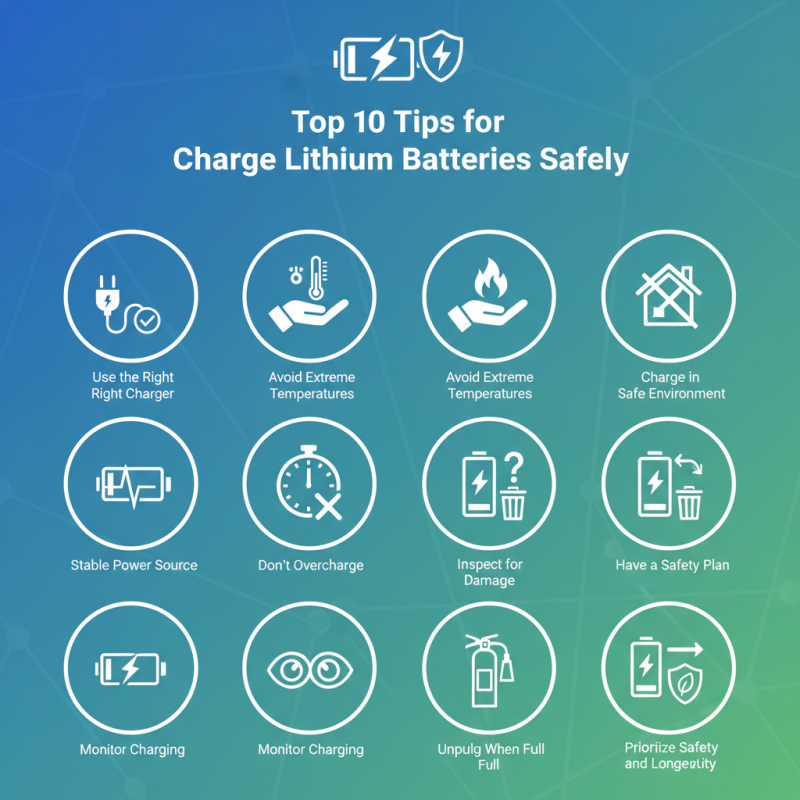
Lithium batteries are widely used due to their high energy density and lightweight nature. However, understanding their composition and potential risks is crucial for safety. These batteries typically consist of lithium cobalt oxide, lithium iron phosphate, or lithium polymer. Inappropriate handling can lead to thermal runaway, where batteries overheat and may even catch fire. A report from the National Fire Protection Association states that incidents related to lithium batteries have increased significantly in recent years.
The manufacturing quality of lithium batteries also impacts their safety. Cheaper batteries may use lower-quality materials, increasing the risk of failure. Data from the Battery Safety Council indicates that substandard batteries have a 30% higher rate of failure compared to higher-quality counterparts. Users should be vigilant about the battery's condition, looking for any signs of swelling, leakage, or damage.
Temperature plays a vital role in battery integrity. Ideally, lithium batteries should be charged at temperatures between 0°C and 45°C. Exceeding this range can compromise safety and performance. Inconsistent charging practices can further exacerbate these issues, leading to diminished lifespan. Proper education on these fundamentals is key for anyone using lithium batteries to prevent serious accidents.
Using manufacturer-approved chargers for lithium batteries is critical for safety. These chargers are designed specifically for the technology and chemistry of lithium-ion cells. They regulate voltage and current to prevent overheating and overcharging. This is not just a recommendation; it is essential.
Many users overlook this detail and opt for generic chargers. While these may seem convenient and cost-effective, they pose significant risks. A lack of proper voltage regulation can lead to battery failure or even fires. The internal components of a non-approved charger may not withstand the demands of a lithium battery.
In addition, using the right charger helps prolong battery life. Manufacturer-approved chargers often include features such as smart charging, which adjusts the power delivered as needed. Using the wrong charger might cause rapid degradation of battery capacity over time. This oversight can result in frequent replacements, wasting both money and resources. Emphasizing the importance of using the correct charger can significantly improve safety and efficiency.
When charging lithium batteries, the temperature plays a crucial role in ensuring their longevity. Ideally, the optimal charging range is between 20°C to 25°C (68°F to 77°F). Staying within this range helps avoid overheating and excessive wear. If the battery is charged in colder conditions, it may also result in inefficiencies, leading to reduced capacity over time.
Many users overlook the impact of extreme temperatures. Charging above 45°C (113°F) can lead to thermal runaway, a critical failure. Likewise, temperatures below freezing can hinder proper chemical reactions within the battery. This can cause the battery to underperform and shorten its lifespan. Always check the environment before plugging in your device, ensuring it is within the safe zone.
Recharging multiple devices in a confined space can amplify heat. Ensure good ventilation to promote cooling. Additionally, occasional monitoring of battery temperature can be beneficial, especially during prolonged charging sessions. Remember, aiming for the optimal temperature is not just a guideline but a practice in prolonging battery health and utility.
When charging lithium batteries, monitoring charge cycles is crucial for maximizing battery life. Research indicates that lithium batteries can lose up to 20% of their capacity after just a few hundred charge cycles. This data highlights the importance of understanding how to manage these cycles effectively.
Avoid letting batteries drain completely before charging. Lithium batteries prefer partial discharges. Keeping the charge between 20% and 80% can significantly extend battery longevity. In fact, a study showed that maintaining this range could increase battery life by over 30%.
Consider using a smart charger. These devices can adjust the current during charging to ensure optimal conditions. While many might rely on the basic wall charger, investing in a smart option is wise. Regularly checking the battery temperature during charging is also beneficial. Ideal temperatures range from 20°C to 25°C. Any extremes can accelerate degradation.
Lastly, keep the batteries away from direct sunlight and excessive heat. A simple setup that avoids these conditions can make a noticeable difference. These small changes contribute to better battery management and overall performance.
| Tip Number | Charging Tip | Description | Recommended Action |
|---|---|---|---|
| 1 | Use the Right Charger | Always use a charger specifically designed for lithium batteries. | Check the specs before charging. |
| 2 | Avoid Overcharging | Do not leave batteries connected to the charger for extended periods. | Unplug once charged. |
| 3 | Charge at Recommended Temperature | Charge in environments between 10°C to 30°C (50°F to 86°F). | Monitor the charging environment. |
| 4 | Keep Contacts Clean | Clean terminals and connectors can prevent charging issues. | Regularly inspect and clean contacts. |
| 5 | Monitor Charge Cycles | Track how many times the battery has been charged to prolong life. | Use apps or built-in features to monitor. |
| 6 | Avoid Full Discharge | Do not let the battery drain to 0% frequently. | Charge when it reaches 20-30%. |
| 7 | Use Intelligent Charging Technology | Smart chargers adjust the current and voltage to optimize charging. | Invest in smart charging solutions. |
| 8 | Prevent Temperature Extremes | Charging in hot or cold environments can damage the battery. | Store batteries at room temperature when not in use. |
| 9 | Regularly Check Battery Health | Perform regular checks on battery performance and capacity. | Use monitoring software or tools. |
| 10 | Store Batteries Properly | Store batteries at half-charge in a cool, dry place. | Follow storage guidelines to maintain health. |
Recognizing signs of battery damage is crucial to ensure your safety. A swollen battery is often a red flag. This bulge can result from overheating or internal short circuits. If you notice any unusual swelling, stop using the device immediately. Sparks can occur during charging, signaling a deeper issue. Take this seriously; it can lead to dangerous situations.
Discoloration on the battery casing is another warning. A change in color often indicates overheating. This can compromise battery integrity. Avoid charging damaged batteries. Look for cracks or dents, which can also signal underlying problems. When a battery shows physical damage, it is best to dispose of it correctly.
Overheating during charging may not seem alarming, but it can be. If your device gets excessively hot, unplug it. Frequent overheating can indicate serious risks. Pay attention to unusual smells or leakage as well. These signs often mean the battery is failing. Always prioritize safety; monitor your devices closely. Regular inspections can prevent accidents and maintain battery health.
: Lithium batteries typically contain lithium cobalt oxide, lithium iron phosphate, or lithium polymer.
Inappropriate handling can cause thermal runaway, leading to overheating and potential fires.
Cheaper batteries may use lower-quality materials, increasing the risk of failure by 30%.
Look for swelling, leakage, or any visible damage to assess battery condition.
The optimal charging temperature is between 20°C and 25°C for safety and longevity.
These chargers regulate voltage to prevent overheating and extend battery lifespan.
Generic chargers may lack proper voltage regulation, risking battery failure or fires.
Charging above 45°C can lead to critical failure, while cold temperatures hinder effectiveness.
Ensure good ventilation to prevent overheating when charging devices in confined spaces.
Monitoring temperature during prolonged charging can prevent overheating and promote battery health.
When considering how to charge lithium batteries safely, it is crucial to understand the composition and inherent risks associated with these batteries. Utilizing manufacturer-approved chargers is essential to ensure compatibility and reduce the risk of overheating or damage during the charging process. Additionally, adhering to optimal charging temperature ranges can significantly enhance battery longevity.
Monitoring charge cycles is another effective strategy for maximizing battery life. By recognizing signs of battery damage, such as swelling or unusual heat, users can take necessary safety precautions. Overall, a combination of understanding battery basics, proper charging practices, and vigilant monitoring will help ensure safe usage and longevity of lithium batteries.

Autrionyx Power