Lithium batteries have become essential in our daily lives. These batteries power everything from smartphones to electric vehicles. However, a critical question arises: can lithium batteries be overcharged? Understanding the risks and implications is crucial for users and manufacturers alike.
Overcharging occurs when a battery is charged beyond its maximum capacity. This can lead to various issues, such as reduced battery life and even dangerous situations. High temperatures and gas accumulation are common risks associated with overcharging. These issues can potentially lead to battery failure or even fires.
While many devices come with built-in protection to prevent overcharging, reliance on this technology may not be enough. Users should remain vigilant and informed. Misusing charging equipment or ignoring battery health indicators can lead to severe consequences. Regular checks and proper care are essential for safe battery usage. It’s important to question our charging habits and add awareness to our daily routines.
Lithium batteries power many devices we rely on daily. Their composition includes lithium cobalt oxide for cathodes and graphite for anodes. This combination enables effective energy storage, offering high energy density and longevity. According to a report by the International Energy Agency, global demand for lithium batteries is expected to reach 2.4 terawatt-hours by 2030, underscoring their critical role in energy technology.
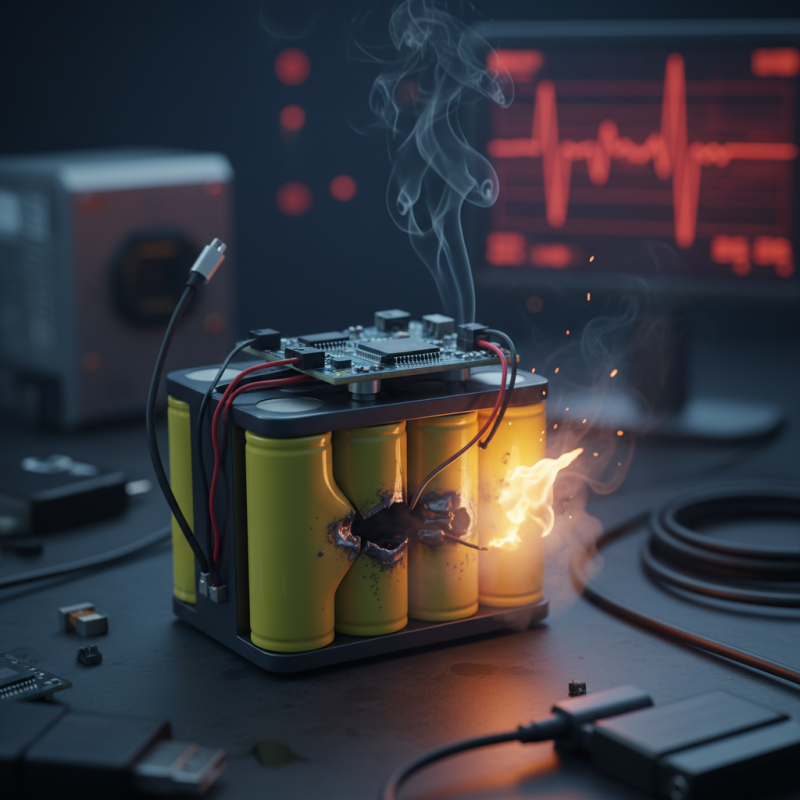
However, the functionality of lithium batteries comes with risks. Overcharging is one of the primary concerns. When a battery is charged beyond its capacity, it can lead to overheating. In extreme cases, this may cause thermal runaway, potentially resulting in fires or explosions. The Battery Safety Research Institute indicates that nearly 30% of battery-related incidents are linked to improper charging practices.
Tips: Always use the recommended charger for your device. Regularly check battery health through settings. Store batteries in a cool, dry place away from direct sunlight, as temperature can exacerbate overcharging risks. Awareness of these factors is crucial for safety. Remember, lithium batteries require careful handling, and even small oversights can lead to significant issues.
| Parameter | Description | Risk Level |
|---|---|---|
| Overcharging Voltage | Exceeding the recommended voltage can lead to excessive current flow. | High |
| Thermal Runaway | A condition where the battery overheats, leading to fire or explosion. | Critical |
| Capacity Loss | Repeated overcharging can diminish the battery's overall capacity. | Moderate |
| Battery Lifespan | Frequent overcharging can significantly reduce the number of charge cycles. | High |
| Electrolyte Decomposition | Overcharging can cause breakdown of the electrolyte, leading to gas buildup. | Critical |
: Lithium batteries mainly consist of lithium cobalt oxide for cathodes and graphite for anodes.
High energy density allows devices to function longer without frequent recharging.
Overcharging can lead to overheating, and in extreme cases, it may cause fires or explosions.
Regularly monitor battery health through device settings to ensure safe usage.
Store batteries in a cool, dry place away from direct sunlight to avoid overheating and overcharging.
Avoid leaving batteries plugged in overnight as it increases the risk of overcharging.
Use chargers with built-in overcharge protection and monitor the charging process regularly.
Keeping batteries at optimal temperatures can significantly extend their lifespan.
Yes, certain bodies have established safety guidelines for chargers to enhance user safety.
Ignoring safety can result in reduced battery life and increased risk of dangerous incidents.
Lithium batteries, essential in powering numerous devices, have a specific composition and functionality that can make them vulnerable to overcharging. The question "can lithium batteries be overcharged" is crucial, as overcharging can lead to deterioration of battery performance and potential hazards. During overcharging, excess voltage causes the battery to overheat, resulting in swelling, leakage, or even combustion in extreme cases.
Signs of overcharging include excessive heat, unusual swelling, and reduced battery life. The potential risks extend beyond just battery failure; they can pose safety hazards, including fires. To mitigate these dangers, it is essential to implement best practices, such as using compatible chargers, avoiding prolonged charging periods, and monitoring battery conditions regularly. By understanding these aspects, users can safely manage their lithium batteries and enhance their longevity.

 Autrionyx Power