As the demand for efficient energy storage continues to rise, understanding how to improve battery efficiency is essential for global buyers. According to a recent report by BloombergNEF, the global battery market is projected to exceed $140 billion by 2025. Improving battery efficiency not only enhances performance but also directly impacts the longevity and sustainability of energy solutions.
Various factors affect battery efficiency, including materials used, charging techniques, and thermal management. For instance, studies show that lithium-ion batteries can lose up to 20% of their capacity over time due to cycling and temperature fluctuations. Thus, focusing on innovative charging methods and advanced materials can lead to significant improvements. However, achieving optimal efficiency is not without challenges; many companies still grapple with balancing cost and performance.
Exploring how to improve battery efficiency requires a multi-faceted approach. Industry leaders actively seek innovative solutions to reduce waste and enhance the lifespan of batteries. Reported efficiencies can vary, affecting overall sustainability efforts. Addressing these factors will be crucial for meeting future energy demands and supporting a greener economy.
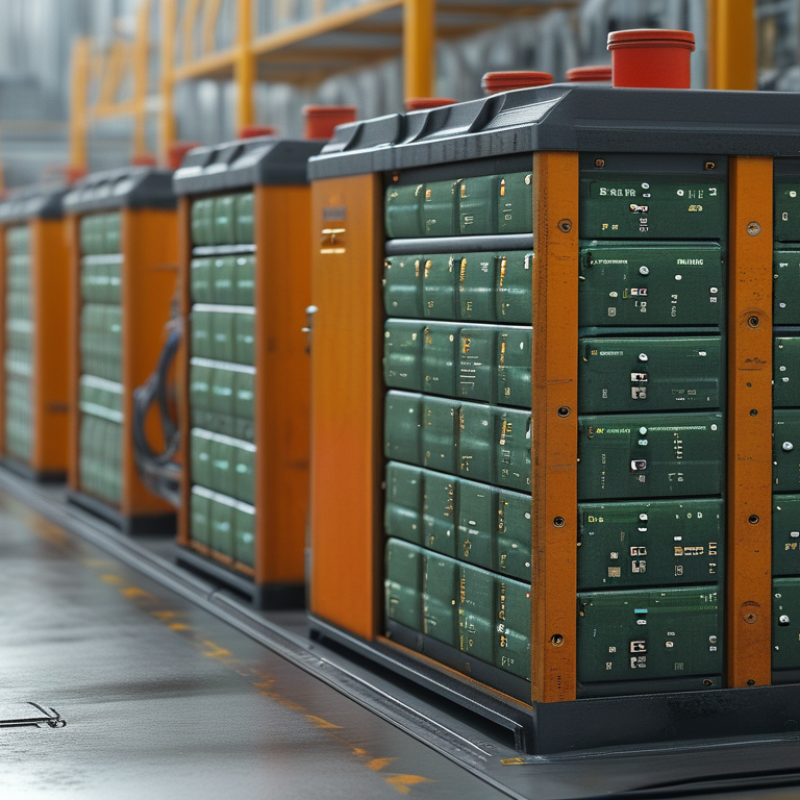
Understanding Battery Efficiency: A Buyer’s Perspective
Understanding battery efficiency is crucial for buyers aiming to maximize their investments. Battery performance affects everything from consumer electronics to electric vehicles. According to a 2021 report by the International Energy Agency, the efficiency of lithium-ion batteries has improved significantly, achieving around 90% efficiency in some applications. However, inefficiencies still exist due to factors like temperature and cycle life, which buyers must consider.
Buyers should evaluate the battery's cycle life. Quality batteries maintain their capacity better over time. A decrease in capacity during cycles can indicate poor efficiency. Look for batteries that provide detailed cycle life data. Additionally, always check the thermal management features. Proper thermal regulation can boost battery life and performance.
Battery chemistry choices matter too. Some chemistries are more efficient than others. For example, lithium iron phosphate (LiFePO4) batteries often offer better thermal stability compared to traditional lithium-ion options. Such details can guide informed purchasing decisions. Reflect on your specific needs. Balance efficiency and cost, as high-performing batteries may have higher upfront costs.
Understanding these principles allows buyers to make knowledgeable choices, ultimately enhancing their battery efficiency and overall satisfaction.
Analyzing Battery Chemistry: Key Factors for Efficiency
Battery chemistry plays a crucial role in determining overall efficiency. Key factors include the types of materials used and their interactions during charge and discharge cycles. Lithium-ion batteries, for example, dominate the market due to their high energy density. However, their performance degrades over time, leading to reduced capacity and efficiency. Understanding the nuances of these chemical processes can help consumers make informed choices.
Proper thermal management is essential for battery efficiency. Batteries generate heat, which can affect performance. Excessive heat can speed up degradation and shorten lifespan. Integrating advanced cooling technologies can mitigate this issue and improve efficiency. Moreover, recycling battery materials should be emphasized. This practice not only conserves resources but also reduces waste and lowers production costs. Addressing shortcomings in recycling methods remains a challenge. Better solutions are needed for a sustainable future.
Another critical aspect is the cycle life of batteries. A longer cycle life indicates better efficiency over time. However, this often comes at the cost of initial performance. New chemistries, such as solid-state batteries, show promise but still face limitations. Finding the right balance between performance, cost, and sustainability is vital. As technology evolves, ongoing research will be necessary to enhance battery efficiency effectively.
Energy Management Systems: Optimizing Battery Usage
Energy management systems (EMS) play a crucial role in optimizing battery usage. They empower users with real-time data to enhance efficiency. By monitoring battery performance, these systems can adjust settings based on actual usage, extending battery life.
One common approach is to implement load management. Adjusting the power draw based on battery status can prevent over-discharge, leading to greater longevity. Additionally, charging batteries during off-peak hours can reduce costs. Analyzing consumption patterns is fundamental for informed decisions.
Another strategy involves software optimization. Algorithms for predictive maintenance can foresee battery issues before they become serious. This proactive approach minimizes downtime and enhances performance. Employing EMS also enables users to identify energy-saving opportunities easily. It’s vital to remember, however, that occasional system updates may introduce compatibility challenges. Regular assessment of these systems is necessary to ensure ongoing efficiency and reliability.
Charging Techniques: Maximizing Battery Lifespan
When it comes to maximizing battery lifespan, charging techniques play a crucial role. Many users overlook the importance of not fully draining their batteries. Regularly allowing the battery to drop to 20% before charging can help in maintaining its health. Deep discharges can put unnecessary stress on lithium-ion batteries, leading to reduced efficiency over time.
Charging speed also matters. Fast charging can be convenient but might generate heat, which can damage the battery. Opting for slower charging when possible can help mitigate these risks. A good practice is to use the charger that comes with the device and avoid cheap alternatives. It may seem tempting to charge overnight, but this practice can lead to overcharging, potentially shortening battery life.
Incorporating a habit of unplugging once the battery reaches 100% is essential. Some devices offer settings to limit charge levels, which is worth exploring. Environmental factors can impact charging efficiency too. Avoid exposing your device to extreme temperatures while charging. Keeping these aspects in mind can greatly influence how long your battery lasts. It’s a continuous journey of learning what works best.
Environmental Considerations: Effects on Battery Performance
Battery performance is closely tied to environmental conditions. Temperature, humidity, and atmospheric pressure all impact how efficiently batteries operate. For instance, high temperatures can accelerate chemical reactions, causing batteries to deplete faster. Conversely, extreme cold can hinder reactions, reducing energy output. Understanding these dynamics is crucial for global buyers looking to enhance battery efficiency.
Moreover, the materials used in battery construction can have environmental repercussions that ultimately affect performance. The sourcing of lithium, cobalt, and nickel raises ethical and ecological concerns. Extraction processes often harm local ecosystems and contribute to pollution. Consumers increasingly value sustainable practices. Balancing environmental impact with efficiency should be a priority for manufacturers.
Additionally, the lifecycle of the battery itself plays a significant role. Batteries that are designed for longevity may consume more resources initially but offer better efficiency over time. Evaluating how production techniques affect both performance and the environment is essential. It's a complex relationship that demands careful consideration from all stakeholders involved.
Top 10 Ways to Improve Battery Efficiency for Global Buyers
Future Technologies: Innovations in Battery Efficiency
Innovative technologies are reshaping battery efficiency. Researchers are focusing on new materials that enhance energy density. Solid-state batteries represent a significant leap forward. They promise higher performance and safety levels. However, production processes remain a challenge. Manufacturing these batteries on a large scale is not yet feasible.
Another exciting area of research is the development of fast-charging technologies. Scientists are exploring ways to reduce charging times significantly. One approach involves modifying the electrode materials to enhance ion transport. However, the challenge lies in balancing speed and longevity. Rapid charging can lead to decreased battery life if not managed properly.
Recycling and sustainability are also priorities in battery innovation. Researchers strive to create batteries that are easier to recycle. Advanced methods can extract valuable materials without harming the environment. Yet, the current recycling rates remain low. There is much work to be done in this area to ensure sustainability. As technology evolves, these strategies may shift the landscape of battery efficiency.
FAQS
: They provide real-time data to enhance efficiency and adjust settings based on actual usage.
It prevents over-discharge by adjusting the power draw based on battery status.
Charge the battery when it drops to 20% to avoid unnecessary stress from deep discharges.
Yes, fast charging can cause heat damage, so slower charging is generally better.
They may not deliver optimal power and can harm the battery over time.
Unplug it to prevent overcharging, which can shorten battery life.
High temperatures can deplete batteries faster, while extreme cold reduces energy output.
Sourcing lithium, cobalt, and nickel can harm ecosystems and contribute to pollution.
Batteries designed for longevity may require more resources but can be more efficient long-term.
They must balance environmental impacts with efficiency to meet consumer demands.
Conclusion
Improving battery efficiency is crucial for global buyers looking to maximize performance and sustainability. Understanding the various factors that influence battery efficiency, such as battery chemistry and energy management systems, is essential. Buyers should focus on how to improve battery efficiency by adopting optimized charging techniques that extend battery lifespan and by considering environmental impacts that can affect performance.
Additionally, keeping an eye on future technologies is important, as innovations in battery design and materials may lead to significant advancements in efficiency. By integrating these insights and strategies, consumers can enhance their battery usage and contribute to a more sustainable energy future.

 Autrionyx Power